Product Name:
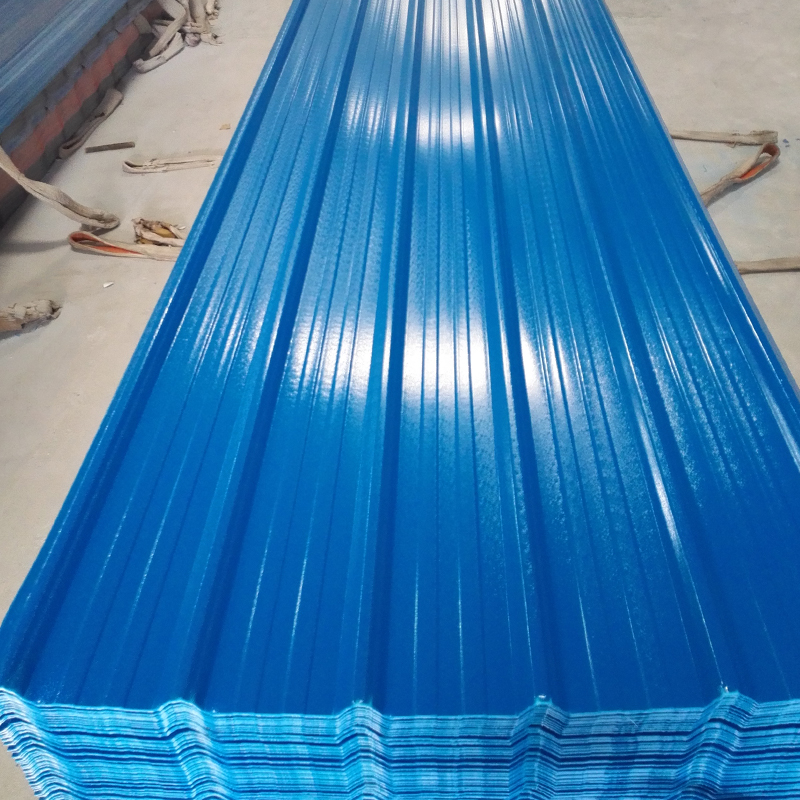
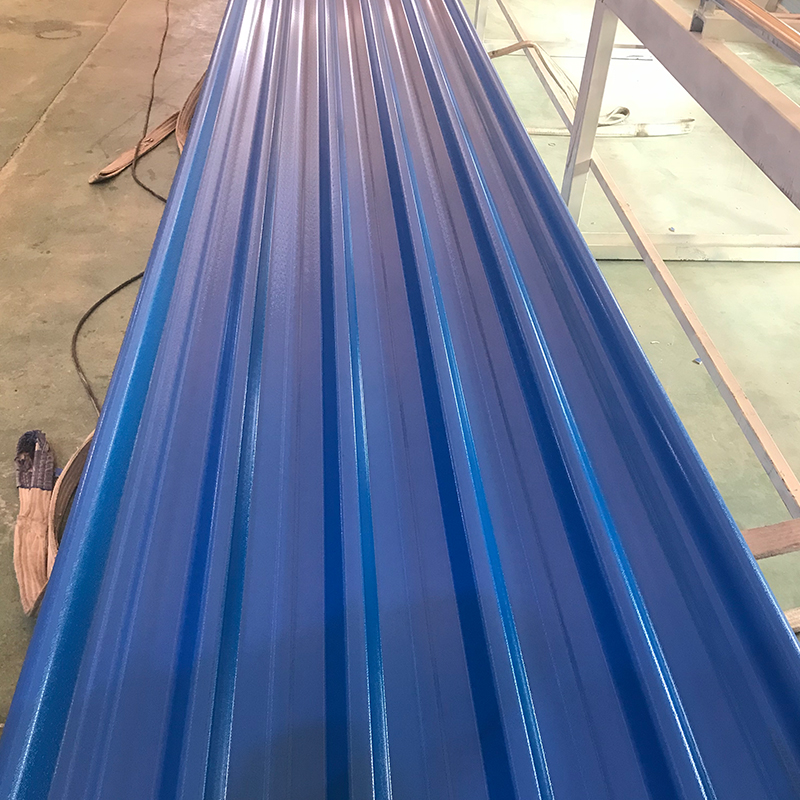
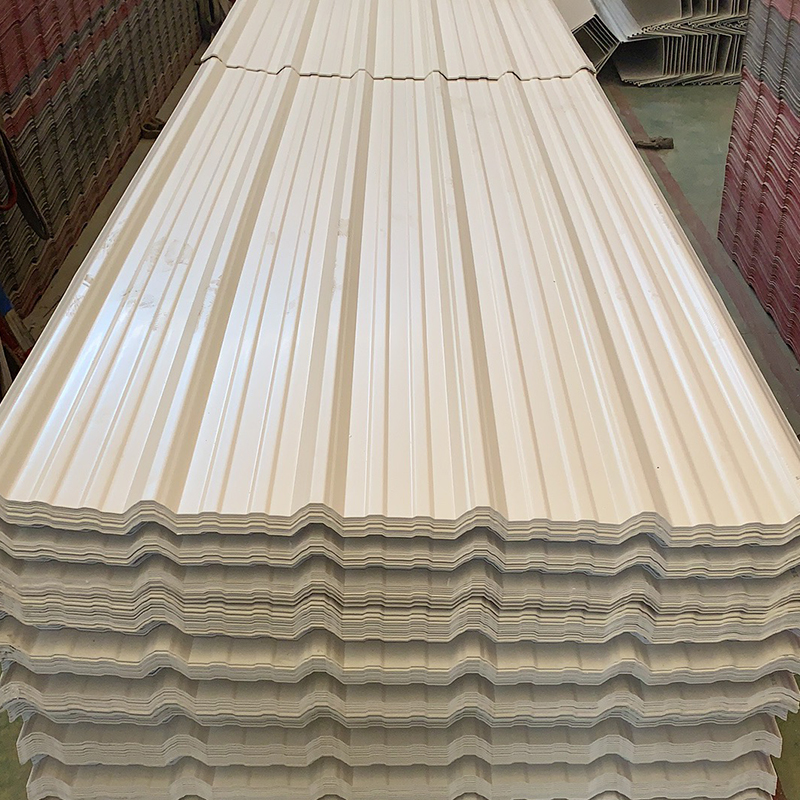
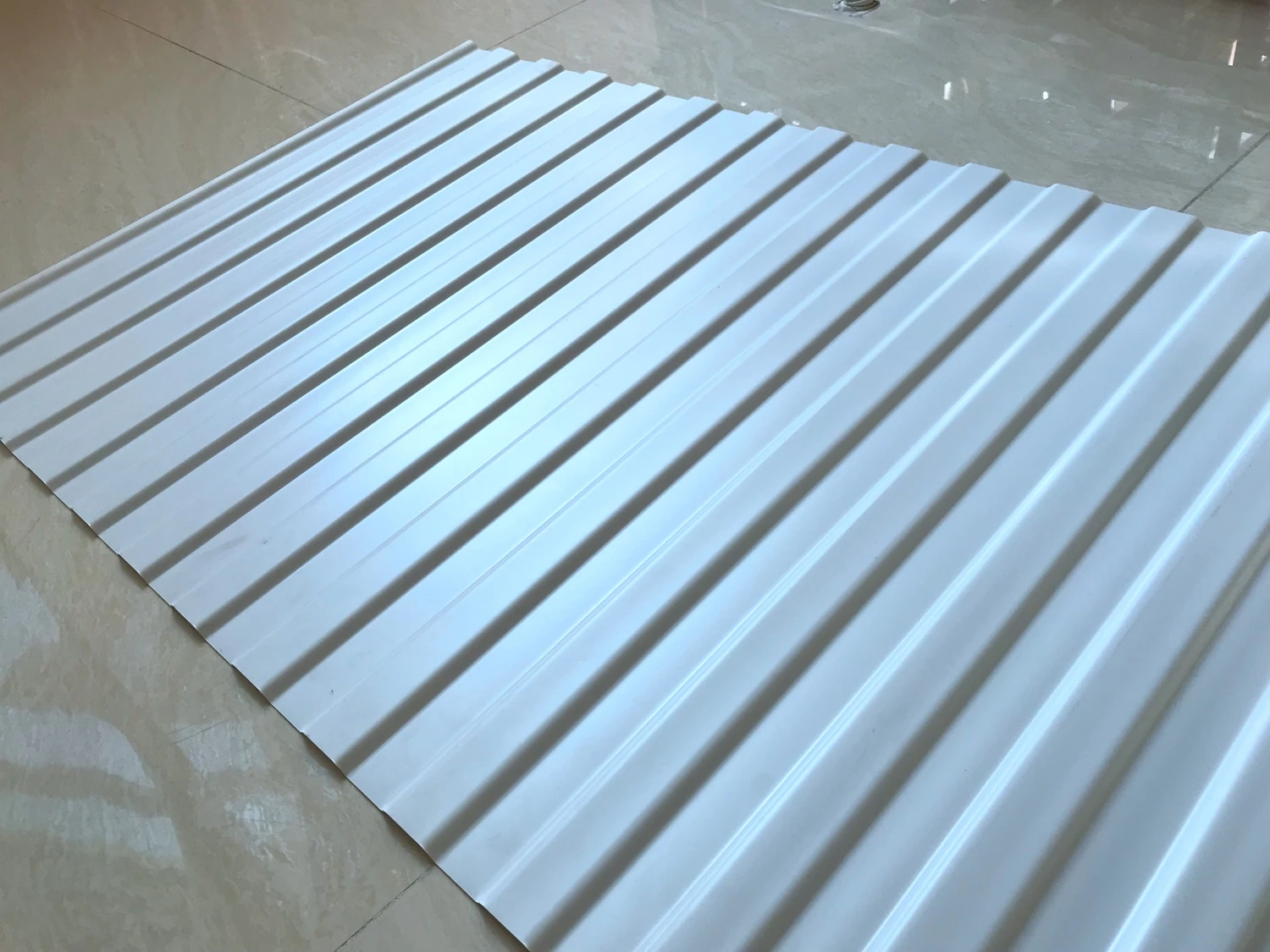
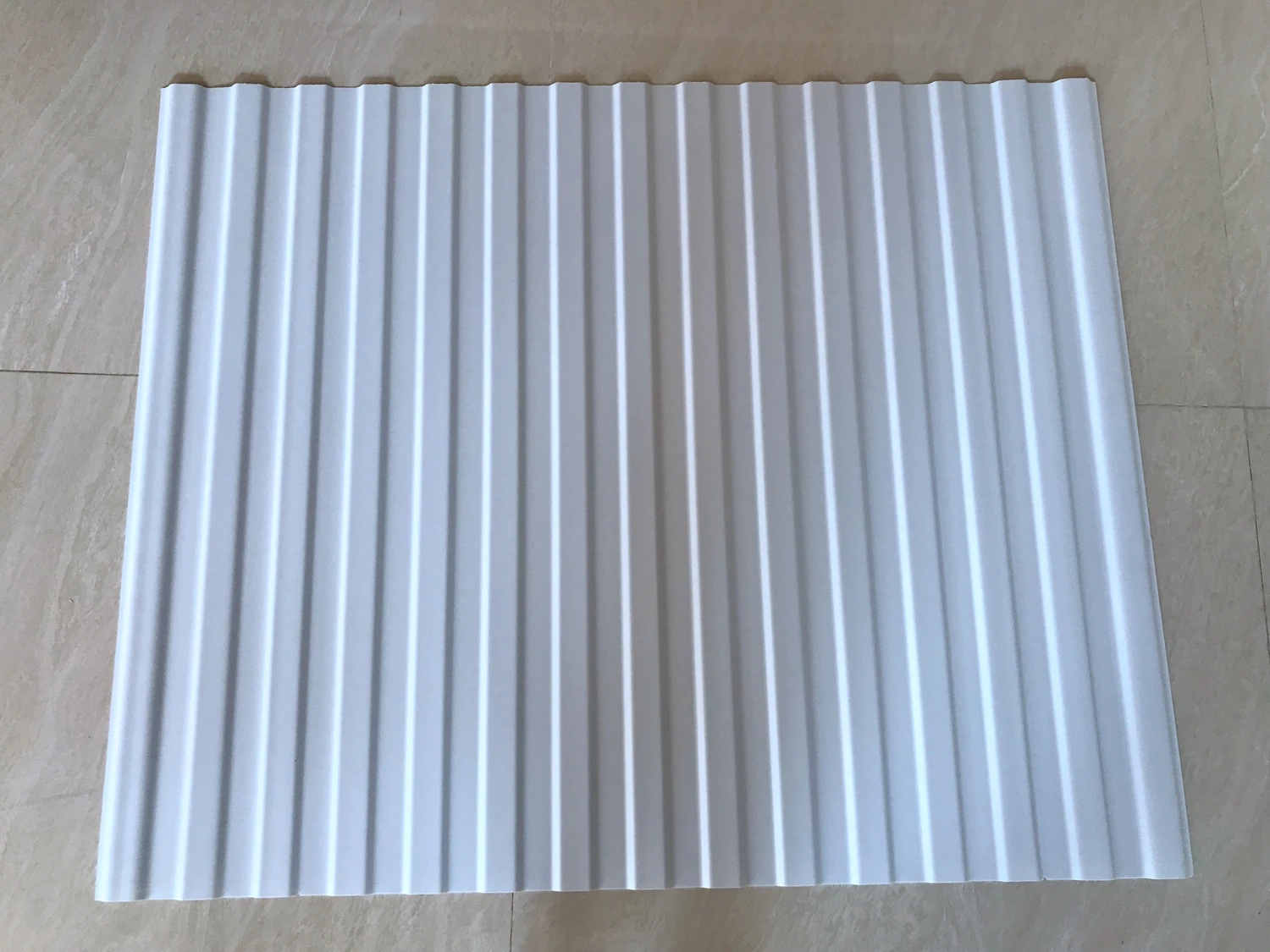
Color coated plastic corrugated PVC roofing sheets
Product Overview:
A high-strength, highly weather-resistant corrugated plastic sheet with a colored decorative coating. It combines the lightweight and corrosion-resistant properties of PVC with the aesthetic appeal of a colored coating, providing a modern, economical, and durable roofing and wall solution for various types of buildings.
1. Beautiful and Durable, Rich in Colors
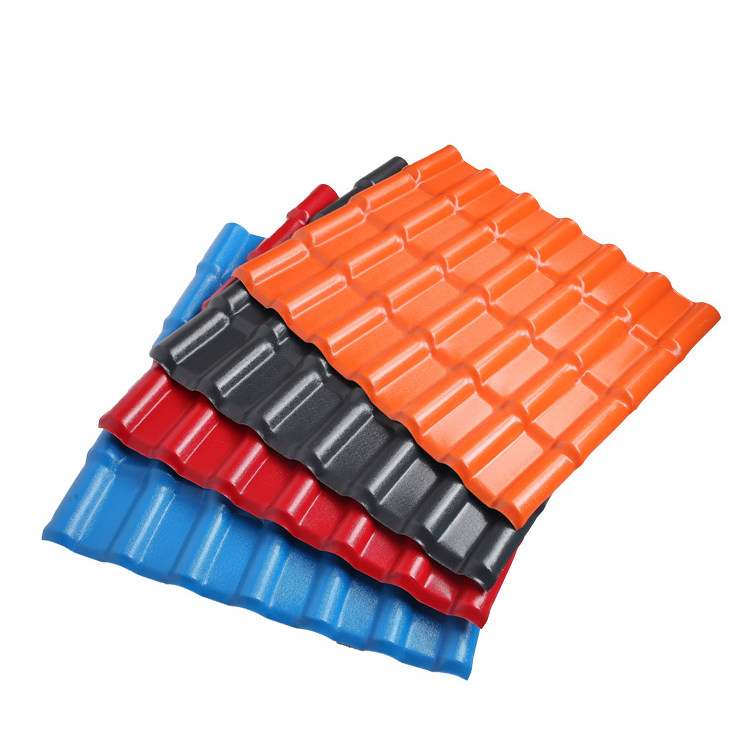
A variety of colors are available to meet the aesthetic needs of different buildings.
The colored coating effectively resists UV rays, preventing fading over long-term use and maintaining the building's beautiful appearance.
2. Excellent Weather Resistance and Corrosion Resistance
Exhibits excellent resistance to acids, alkalis, and salt spray, making it particularly suitable for corrosive environments such as coastal areas and chemical plants.
Waterproof and moisture-proof, never rusts.
3. Lightweight and High-Strength, Easy Installation
Lightweight, significantly reducing the structural load on buildings, making transportation and installation very convenient, effectively saving construction time and costs.
4. Good Light Transmission (Optional)
Some products can be made into translucent or semi-translucent panels, providing shelter from wind and rain while allowing natural light to enter the interior, saving energy consumption for daytime lighting.
5. Long Service Life and Low Maintenance Costs
Stable performance, not prone to aging and embrittlement, requiring only simple daily cleaning and almost no additional maintenance.
Product Specifications:
| Origin: | Foshan, Guangdong |
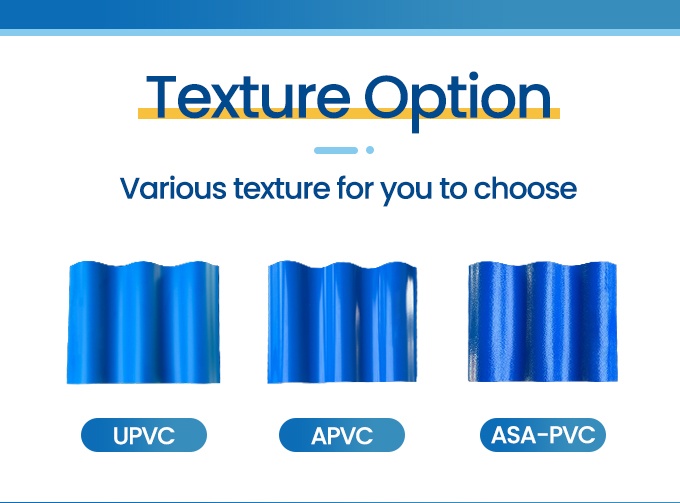
| Material: | APVC/UPVC |
| Length: | Customizable |
| Width: | Customizable |
| Thickness: | 1.0mm-3.0mm (Customizable) |
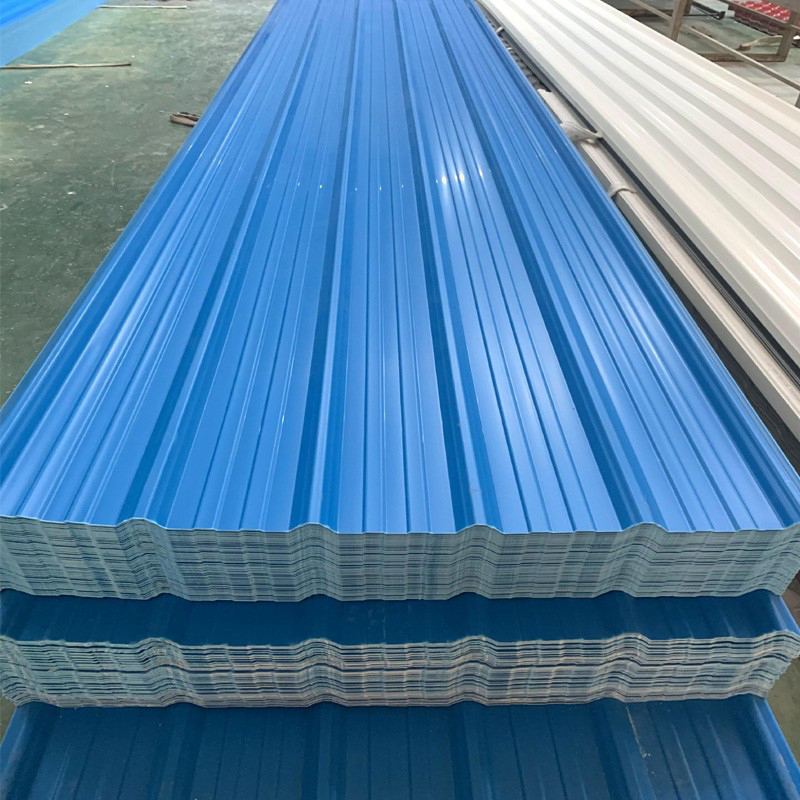
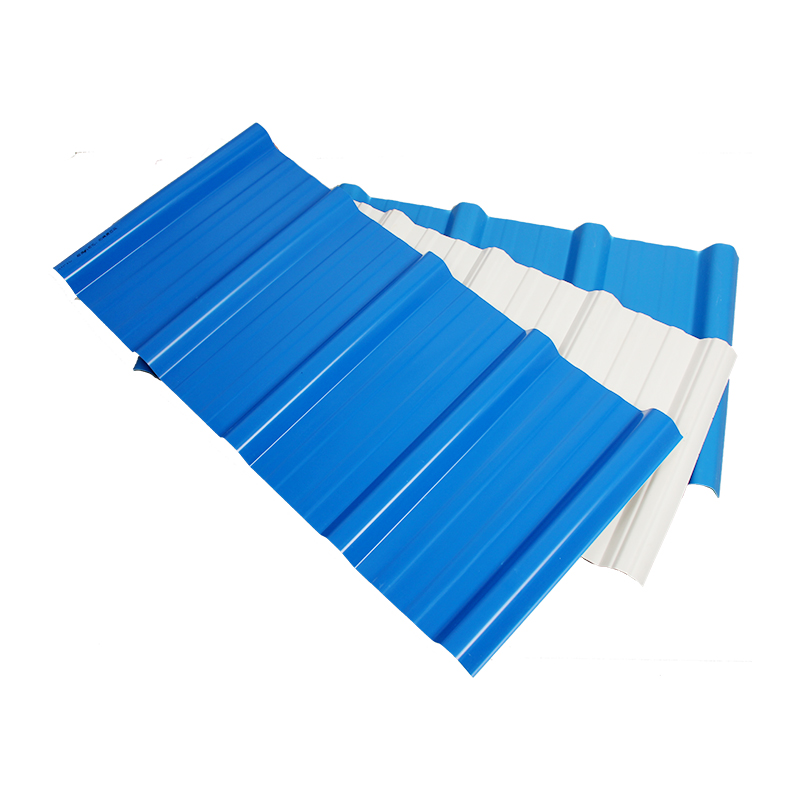
| Color: | Blue and white (Other colors available upon request) |
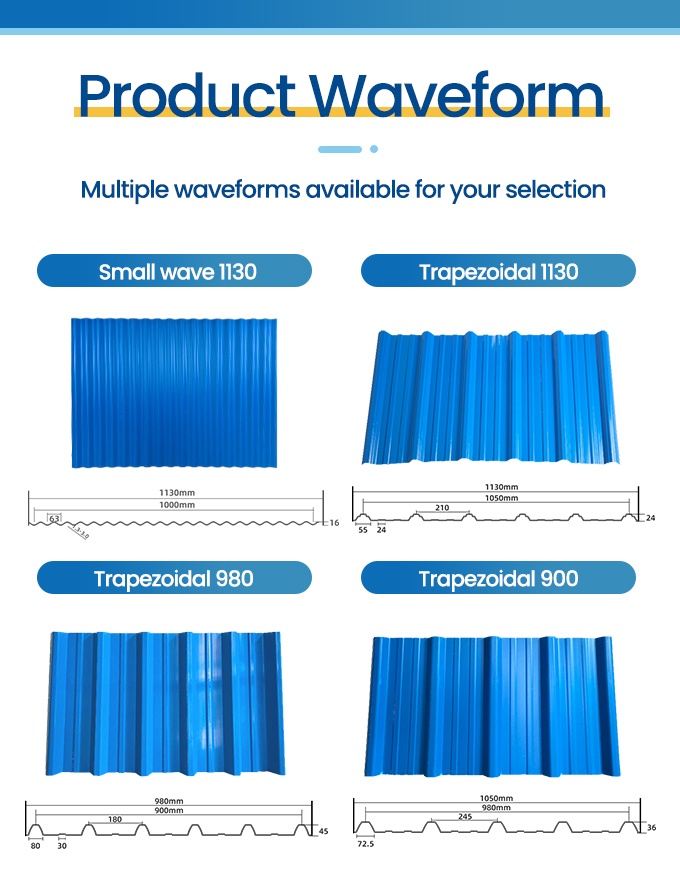
| Wave Pattern: | Large pits, small waves, high waves |
| Applications: | Corrosive environments, factories, pig sheds, warehouses, carports, awnings, roofing materials, factories, chemical plants, farms, ceramic factories, fertilizer plants |
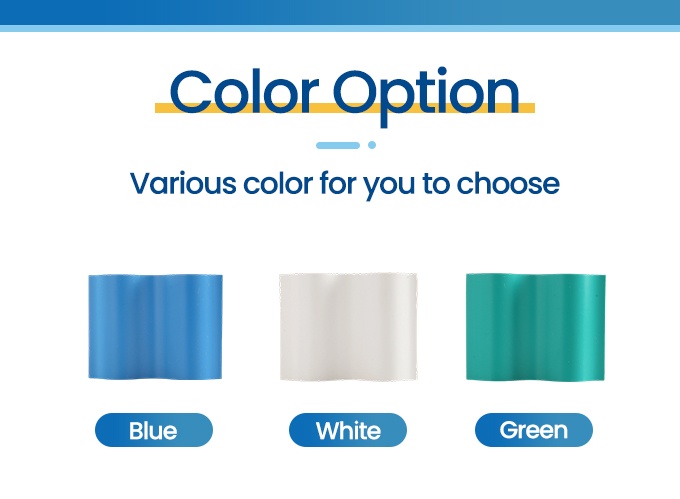
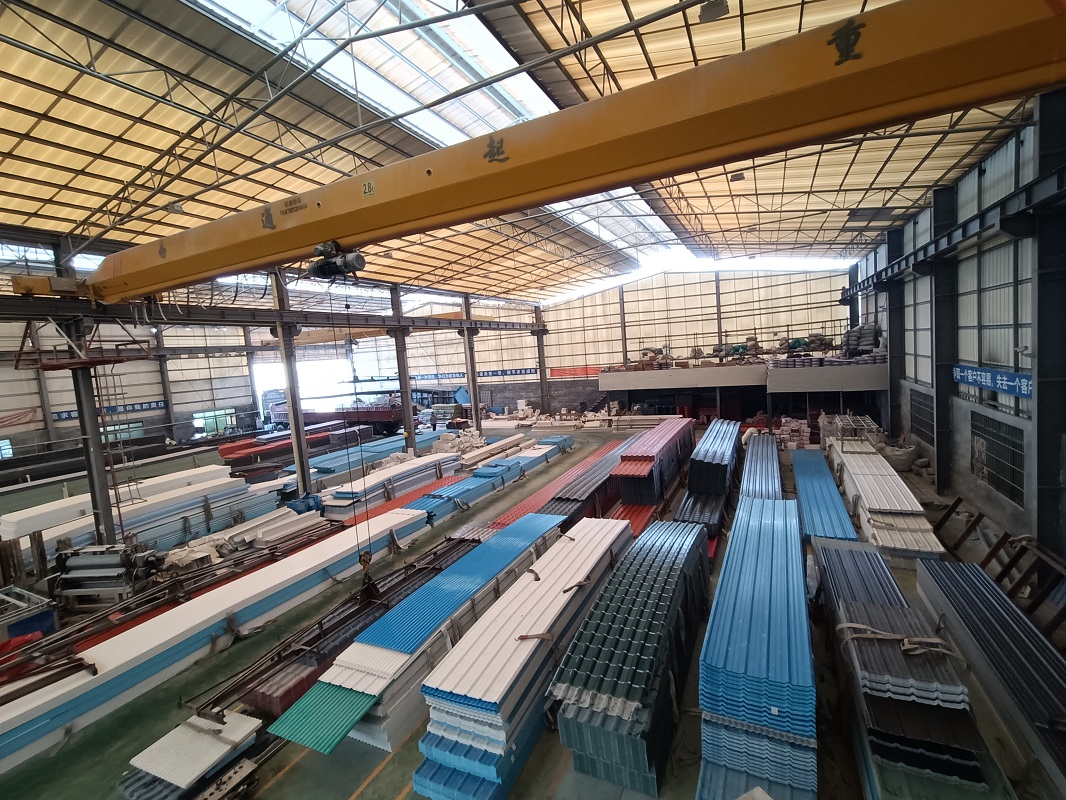
We have blue, white, and green in stock; other colors can be customized, and delivery can be completed within 7 days.
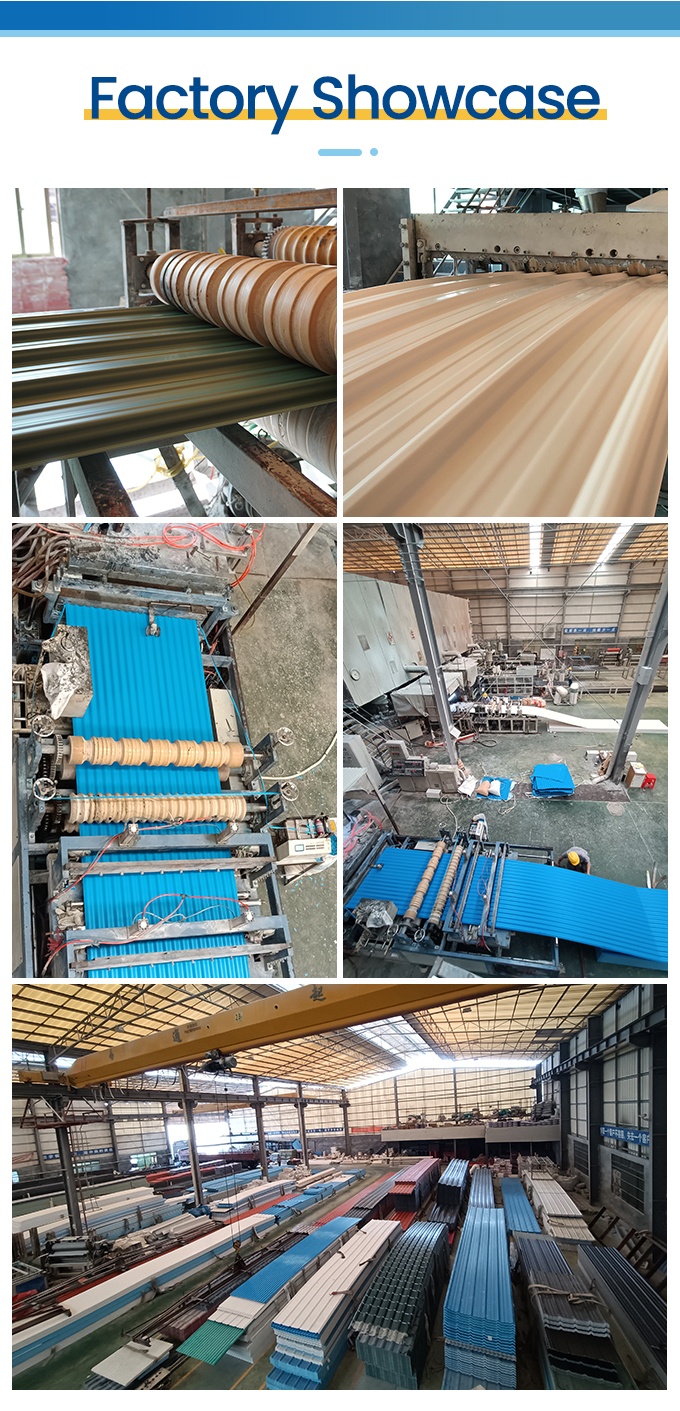
For over 15 years, NANXING Plastic Products Co., Ltd. has been at the forefront of advanced roofing solutions. As a trusted manufacturer with a proven track record, we have successfully sheltered over ten million roofs worldwide. This unparalleled experience is engineered into every sheet we produce, offering an unbeatable combination of durability, energy efficiency, and value.
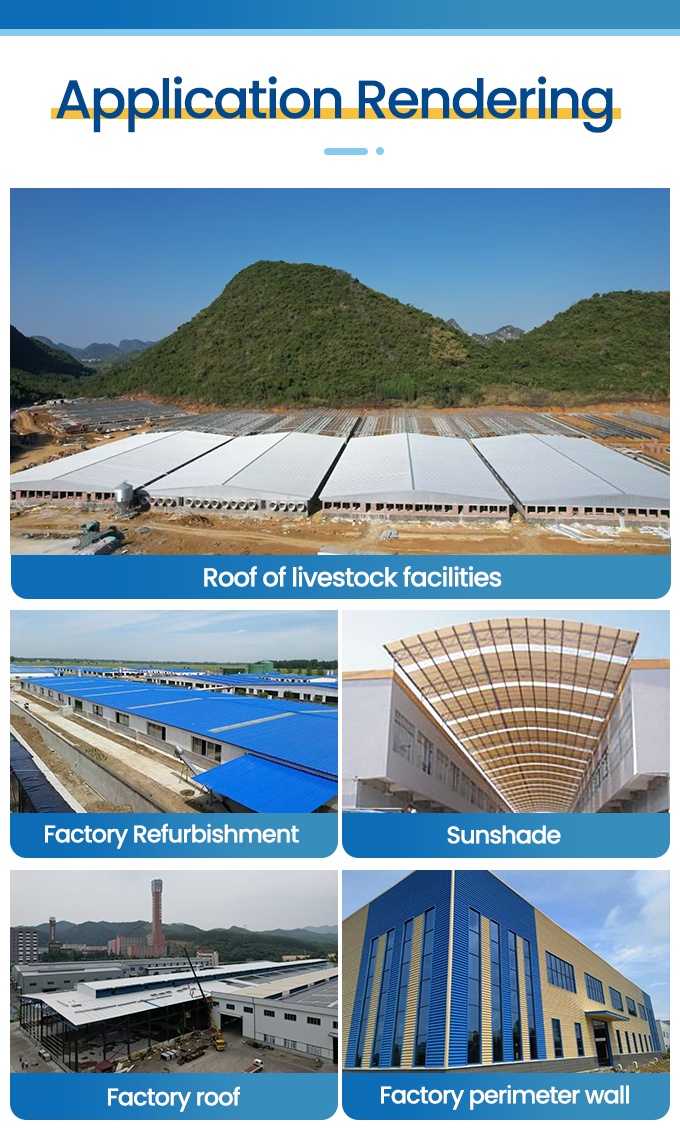
Applications
Our APVC roofing sheets are the ideal choice for:
Industrial Factories & Warehouses
Manufacturing Plants & Workshops
Agricultural Greenhouses & Livestock Barns
Cold Storage & Food Processing Facilities
Parking Shelters & Canopies
Stadium Skylights & Atriums
Commercial Complexes & Logistics Centers
(FAQ)
Q1: What exactly is UPVC?
A: UPVC stands for unplasticized polyvinyl chloride. It differs from regular PVC in that it doesn't contain plasticizers, resulting in higher hardness, strength, durability, and better resistance to chemical corrosion. It's a mature and reliable synthetic material widely used in the construction industry.
Q2: Is its sound insulation really that good?
A: Yes, very good. UPVC material itself has a high density, effectively absorbing and blocking sound waves. Compared to traditional metal roofing tiles, you can barely hear the crackling noise during rain, creating a very quiet indoor environment, especially suitable for noise-sensitive areas such as residences, hospitals, and schools.
Q3: Is it fireproof?
A: High-quality UPVC roofing tiles typically meet the B1 fire-retardant standard. This means it has self-extinguishing properties, effectively preventing the spread of flames, making it safer than many traditional roofing materials.
Q4: How long do UPVC tiles last? Will they fade?
A: High-quality products can last for more than 20 years. The surface layer is typically co-extruded with an anti-ultraviolet (UV) coating, effectively preventing fading and aging caused by sun exposure and maintaining long-lasting color stability.
Q5: Is it environmentally friendly?
A: Yes. UPVC material itself is recyclable. Many manufacturers use recycled materials in production, aligning with environmental protection principles. Furthermore, its production process consumes less energy than clay or cement tiles.
Q6: Is installation complicated?
A: Not complicated. UPVC tiles are usually designed with convenient overlapping or interlocking systems, making installation very similar to "building blocks." They are lightweight, easy to cut and handle, significantly shortening the construction cycle and reducing labor costs.
Q7: What are the requirements for the roof frame structure?
A: Because UPVC tiles are very lightweight, they place low load requirements on the roof truss and can even be installed directly on existing roofs (where the structure allows), without the need for expensive structural reinforcement.
Q8: Does it require maintenance?
A: Virtually maintenance-free. The smooth surface does not attract dust, and rainwater can keep it clean. It's mold- and moss-resistant, requiring no regular cleaning like other materials.
Q9: Can it withstand harsh weather, such as hail or typhoons?
A: Yes. UPVC shingles have high impact resistance and can withstand the impact of medium-sized hailstones. With professional installation (such as proper fasteners and spacing), it also has good wind uplift resistance.
Q10: How waterproof is it?
A: Excellent. UPVC itself is 100% waterproof. Combined with the tight overlap between the shingles, it forms a seamless waterproof layer, fundamentally solving leakage problems.
Q11: Is it suitable for all climates?
A: Very versatile.
Hot regions: UV resistant, high-temperature resistant, and not easily deformed.
Damp/coastal regions: Corrosion resistant, rust-free, and mold-resistant.
Cold regions: Good low-temperature resistance and will not crack due to freeze-thaw cycles.
Q12: What types of roofs can it be used on? A: It has a very wide range of applications, including:
Residential villas, bungalows
Commercial buildings: shopping malls, factories, warehouses
Public facilities: schools, stadiums, farmers' markets
Pitched roofs are the best application scenario, usually requiring a slope of more than 15 degrees to ensure drainage.
 English
 Español
  Français
  Deutsch
  Русский
  Português
  العربية
  日本語
日本語  한국어
한국어  Italiano
  Nederlands
  Türkçe
  Polski
  Tiếng Việt
  ไทย
ไทย  Bahasa Indonesia
  Bahasa Melayu